Burnout: The Office Christmas Party Hookup You Regret
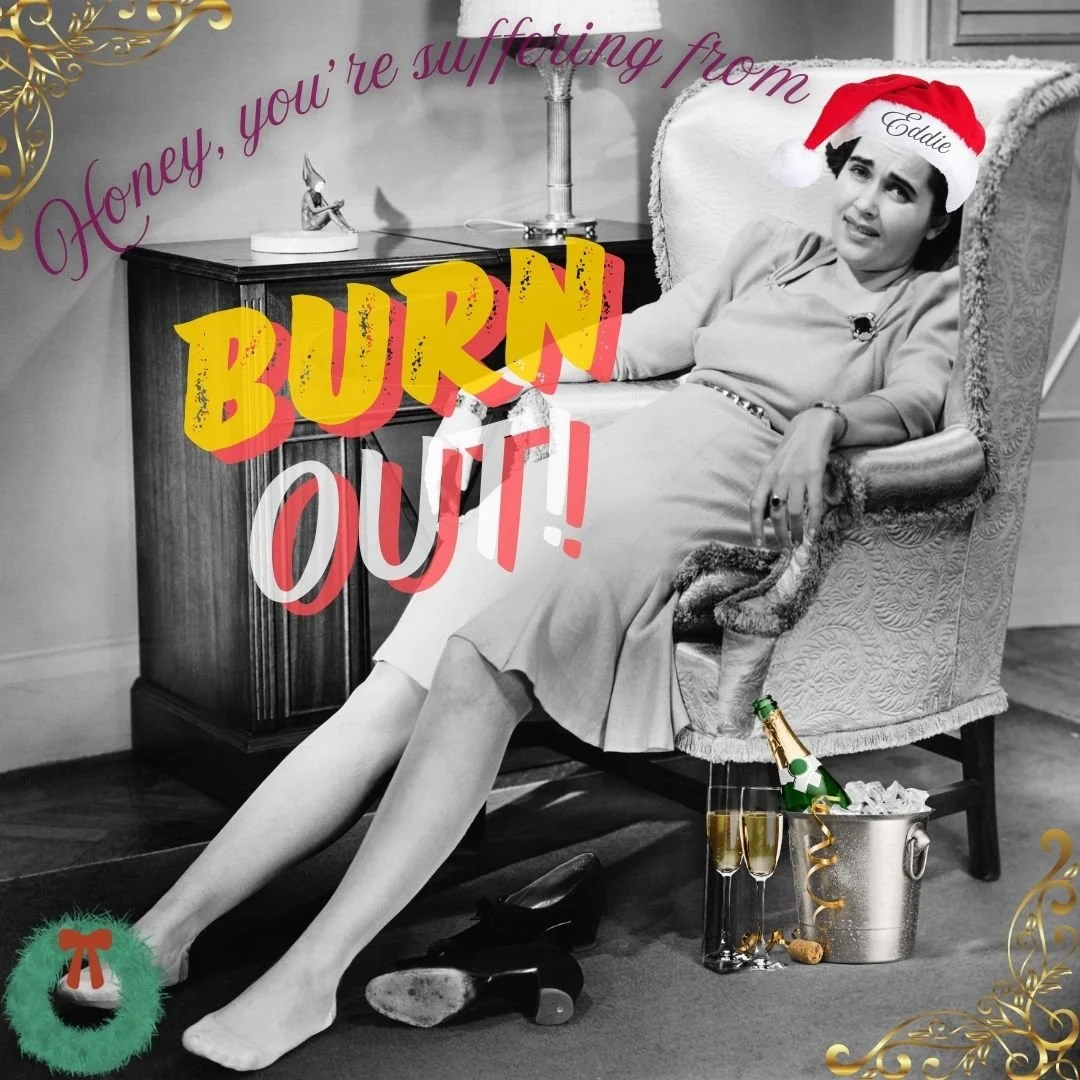
Remember that one bad decision at the office Christmas party?
The drinks were flowing, Eddie from Accounting was looking weirdly good, and before you know it, you’ve made a choice you deeply regret. You’re gnawing your arm off the next morning just to escape the situation.
That’s burnout.
It sneaks up in the same way, seemingly harmless until you’re stuck in a commitment you can’t back out of, questioning every life choice that led you here.
It’s impossible to avoid burnout altogether but spotting it before it runs you into the ground? Sometimes by the time you realize what’s happening, you’re already knee-deep in exhaustion, frustration, and questionable life choices.
Just like Eddie from Accounting, still DMing you long after the party ended, burnout can be relentless, inconvenient, and convinced you’re still interested.
Don’t get me wrong, sometimes, you do need to walk away.
But more often than not, you just need a reset.
How I Knew I Hit Burnout
I’m not saying I avoid people entirely, but I have kind of perfected the art of vanishing the second I hear, "Well hey there stranger!"
When burnout hits, you start changing your behavior in ways you don’t even recognize at first.
-Going out of your way to avoid running into people.
-Pretending to be on the phone in the grocery store to escape conversation.
-DoorDash’ing dog food and coffee for $40 just so you don’t have to go inside a store and make human contact.
For me, burnout didn’t just make me physically exhausted, it made me almost mentally allergic to human interaction at times.
It’s nothing against people. I love people. I’ve built businesses around people and customer experience. But when you’ve been running at full speed for too long, your brain hits its capacity, and suddenly, small talk feels like someone handing you a calculus exam. Well for me it’s calculus, for you it can be whatever completely overwhelms you with anxiety.
Small Town Burnout
My husband and daughter relentlessly give me a hard time when maybe I say on any given evening, that I don’t prefer to eat at a restaurant with a small seating area.
Why.
Well, I suppose the only way I can explain it is that in a small town, "dining out" really means potentially dining with your high school physics teacher who STILL won’t let up about the time you knocked over that entire display of test tubes.Or your ex from college, who somehow always gets seated right across from you. Or Susan from the school board, who is definitely going to ask if you’re bringing something homemade to the next event even though you’re actively trying to phase yourself out of responsibilities.
So now, my husband and daughter have turned every outside dining experience it into a full-blown SNL skit.
The second we walk into a restaurant, they both start mimicking me as some influencer, dramatically pulling on a scarf and oversized sunglasses, muttering,
"Yes, yes, it’s me, it’s me" as if I’m dodging the paparazzi.
Hey, always knowing somebody is the best thing about small-town connection and the worst thing. Ammiright?
And let’s be real, I’m sure there are a few people in the room avoiding me too.
Modern Problem: Work Without Boundaries
Personally, burnout wasn’t just about working too much, it was about never actually being off.
We live in an instant access world, where emails, messages, and to-do lists are just one notification away at all times. We’re expected to be available, engaged, and responsive 24/7.
Need proof? Research I had found was showing:
- If a business doesn’t respond to a message in 30 minutes, it’s considered rude.
- Leaving a DM unread for too long? Grounds for social exile.
- The average person is interrupted 96 times a day by their smartphone.
- Ever taken over an hour to pick a movie on a streaming platform because nothing feels “worth it”?
That’s what they call digital burnout creeping in.
Pair that up with an American work culture that glorifies "more hours, less rest", and well, yikes.
You might as well light the match.
So, How Do You Actually Prevent Burnout?
Let’s be real, you can’t just stop working, delete all social media, and live off the grid (unless, of course, that’s the goal).
What you can do is build better habits that help you recognize burnout before it wipes you out completely.
Here is what I found helpful, and it is called the
Burnout Prevention Checklist:
Set actual boundaries -No, you don’t need to answer that email at 10 PM.
Unfollow accounts that drain you -If it doesn’t inspire or benefit you, let it go.
Schedule guilt-free breaks -Yes, you deserve to sit down for five minutes.
Reevaluate priorities -Not everything is urgent, even when it feels like it is.
Create a shutdown routine -Mentally separate work from personal life, even if you work from home.
Communicate your limits -It’s okay to tell people, “Hey, I’ve been focusing on my mental health, so I might not be as tuned in lately.”
Burnout doesn’t mean you’re lazy, unmotivated, or bad at what you do. It means you’ve been running too hard, too long, without a break. Your body is asking you to give it the kindness it needs to help you recover and get back on track, so give yourself some grace.
Logging Off
If the second you tell people you’re taking a break from social media, they say, “Oh my goodness good for you!”
That’s how you know it’s become just as toxic for everyone else as well. So if you’re hesitant in making the decision to take a break, think of yourself as a trendsetter.
Now, I’m not here to tell you to quit social media entirely, don’t be silly. I am thinking social media keeps most businesses alive. But if you’re feeling overwhelmed, step back, limit the noise, and set real boundaries.
And hey, maybe then you won’t find yourself making a phone call in Aisle 6 to avoid a casual conversation.